



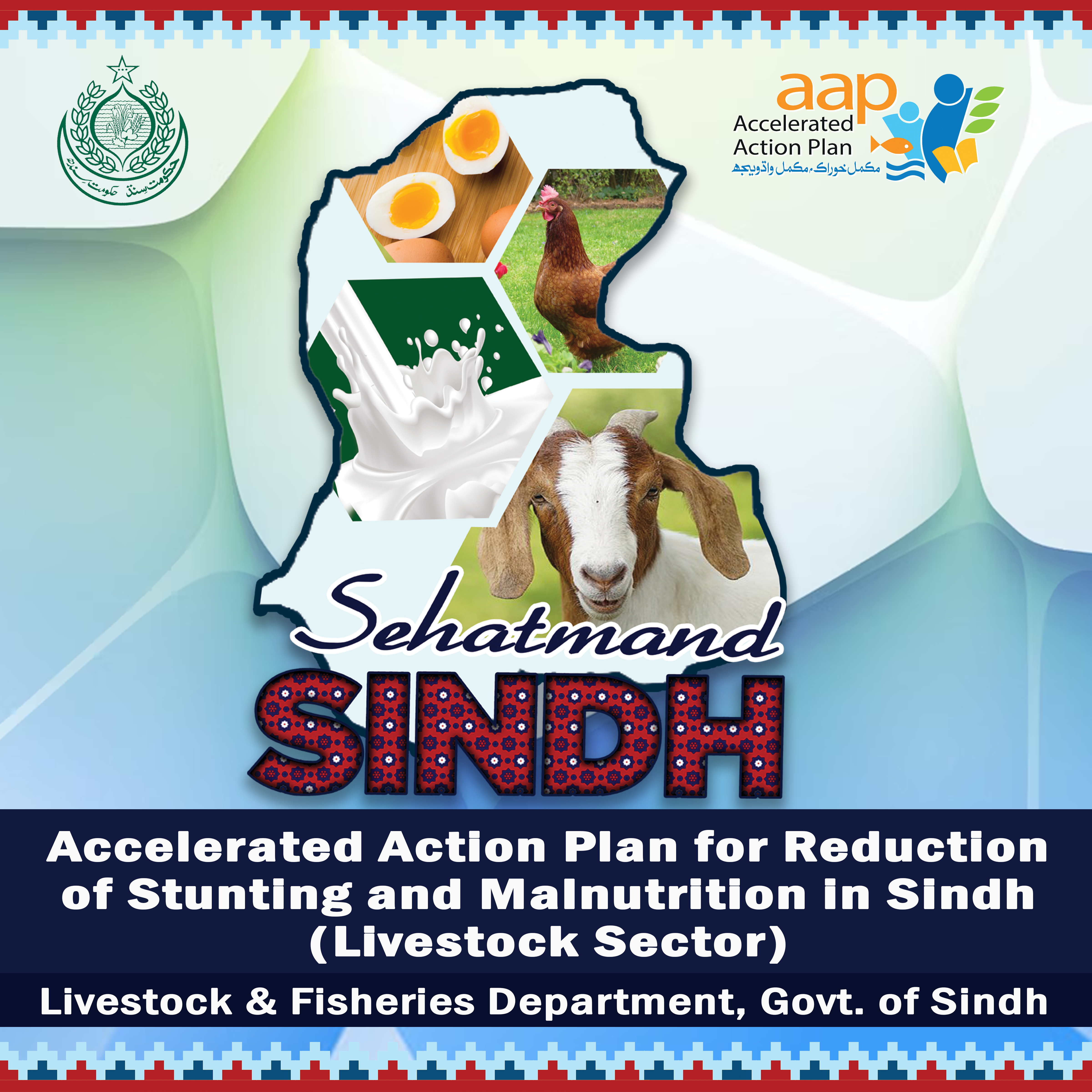
Program Background:
The Inter-sectoral Nutrition Strategy for Sindh (INSS) noted that the majority of past interventions in nutrition placed responsibility largely on the health sector. Given the multi-sector nature of nutrition, the INSS recognizes the need to introduce both nutrition specific and nutrition sensitive activities to improve the overall nutrition status of the provincial citizens. Simultaneous investments by the Departments of Health, Education, Local Government, Social Protection, and Population Welfare along with Agriculture, Livestock and Fisheries will address other direct and underlying causes of malnutrition among the target populations. The Accelerated Action Plan for reduction of stunting and malnutrition in Sindh (AAP) was designed with multi-sectoral approach and strategy.
The nutrition challenge facing the Sindh province is substantial. Sindh, with just under a quarter of Pakistan’s population, has a dangerously high rate of nutritional stunting among children under age 5 (49.8%). The prevalence of underweight children is 40.5%, while wasting prevalence is 17.5%. The goal of the AAP is to reduce stunting from 48% to 30% in first five years (by 2021) and 15% by 2026 in Sindh by increasing and expanding coverage of multi-sectoral interventions, that are known to reduce stunting in first five years of children’s lives.
The production sectors (agriculture, livestock, and fisheries) contribute to achieving this goal by increasing the number of households that consume a diverse and healthy diet, especially, those households with pregnant and lactating women (PLWs) and children under the age of 2. Livestock sector will contribute by building the livestock (goats + backyard poultry) assets of poor households, widowed women with children and deprived landless people and enhancing livestock productivity by providing enhanced vaccination and livestock management advisory services to the farmers.
AAP LIVESTOCK OBJECTIVES:
The overall program objective is to reduce the stunting by ensuring the supply of diversified animal origin food and provision of veterinary public health through following specific objectives:
- Social mobilization formation of livestock community organizations. The goal is to increase the availability of nutritious food without over-burdening target households with too much additional labor.
- Livestock management and enhanced productivity awareness program to poor and small livestock owners in addition to nutrition sensitive and access to diversified animal origin food awareness to reduce the stunting.
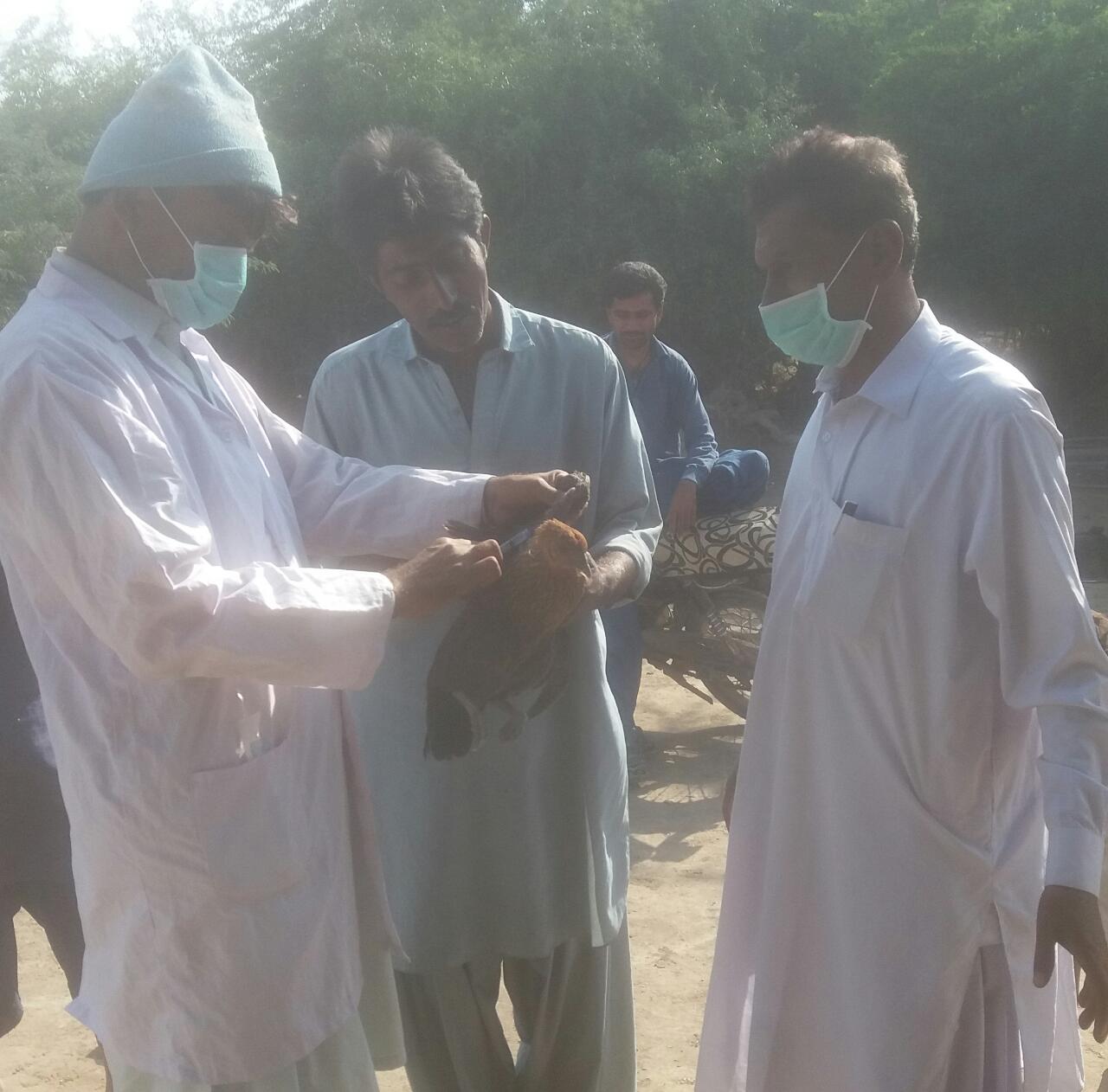
- Provision of Veterinary services in terms of vaccination and drenching twice in a year (2 doses each of FMD, HS, Mastitis, ET, PPR, CPP, ND, Avian Influenza, Fowl Pox vaccine/animal or bird/annum in priority districts as per schedule) to the livestock of already identified 120,000 persons/ farmers in 24 districts for prevention of disease and deaths and enhanced productivity.
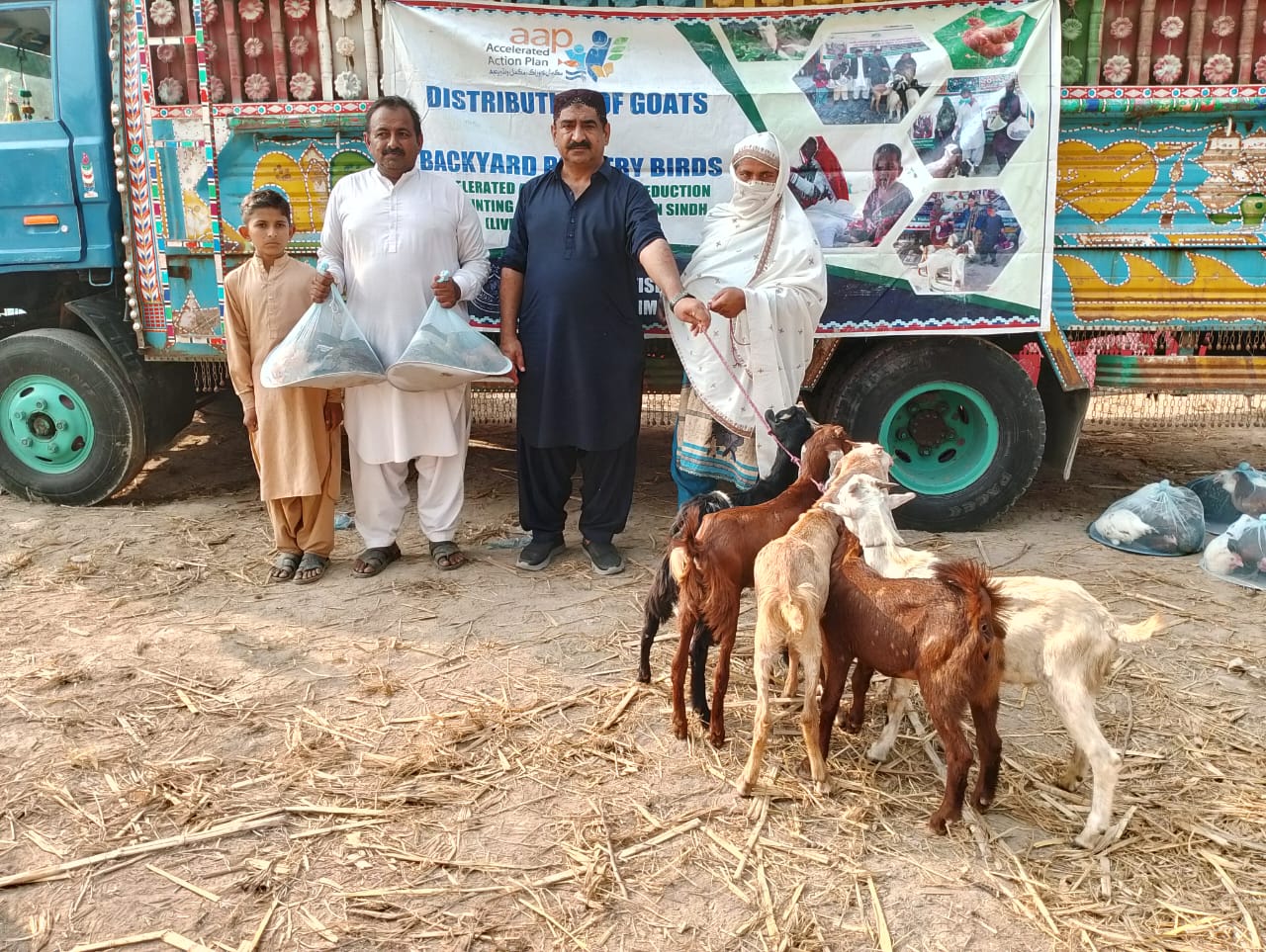
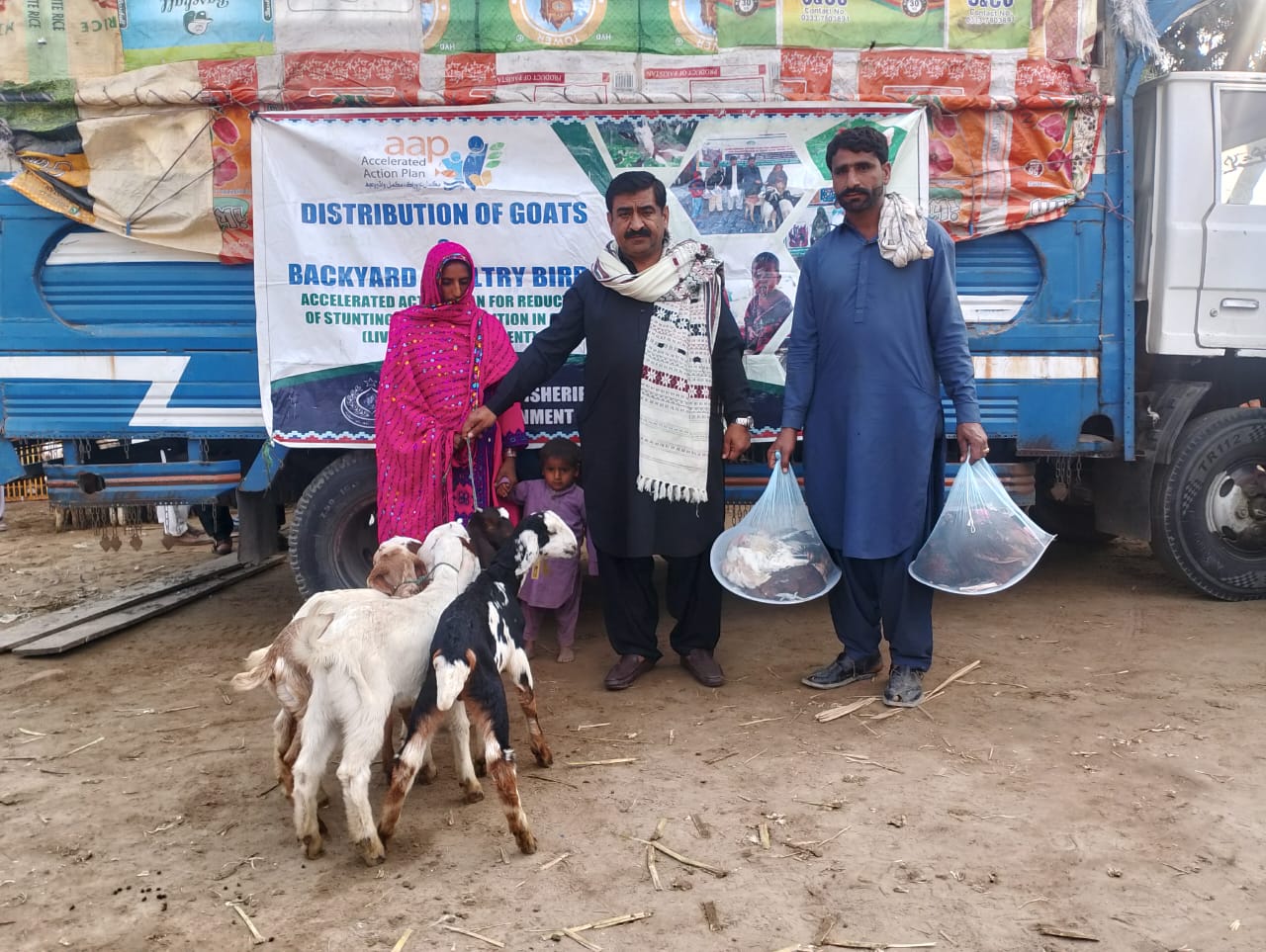
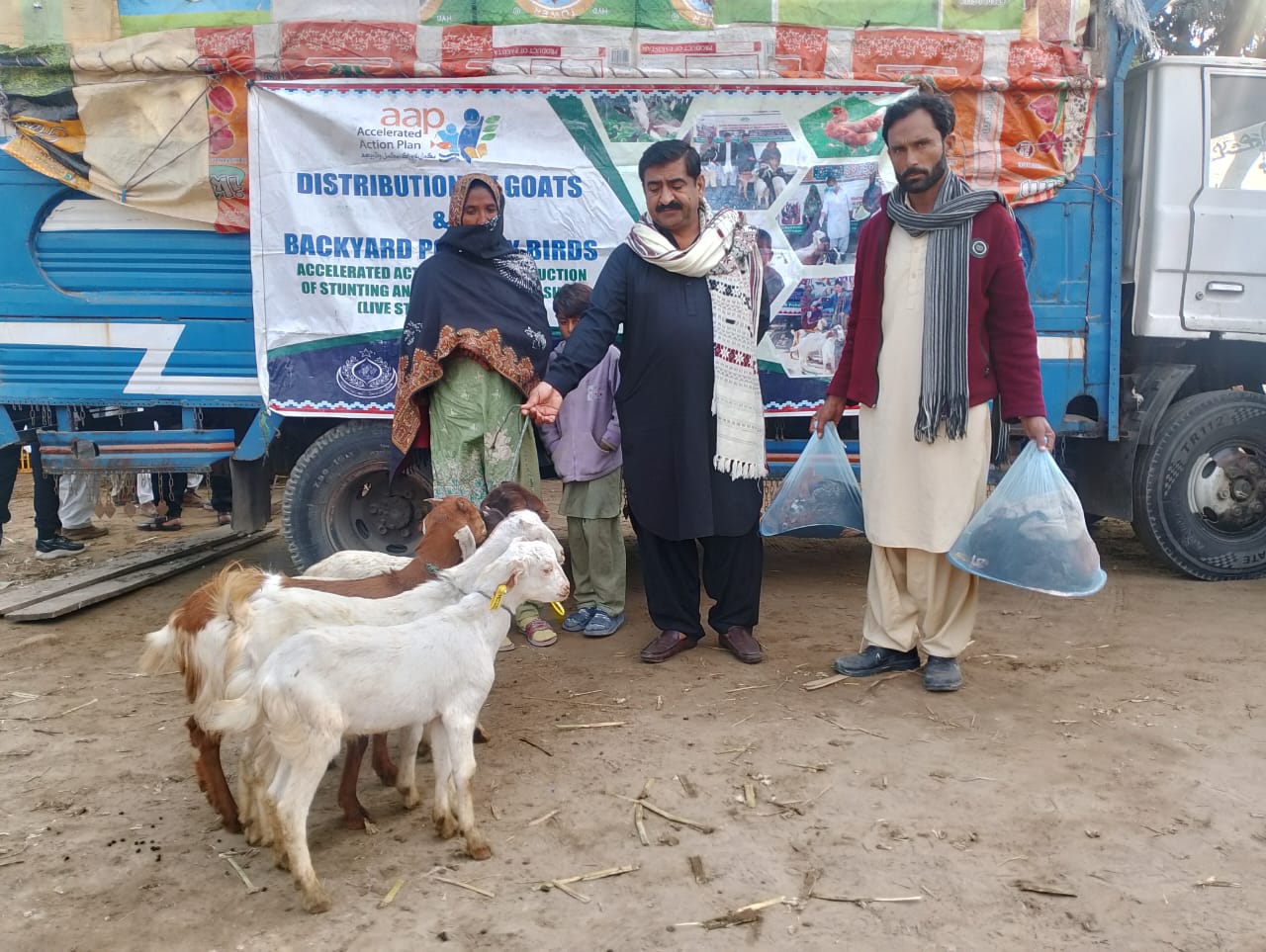
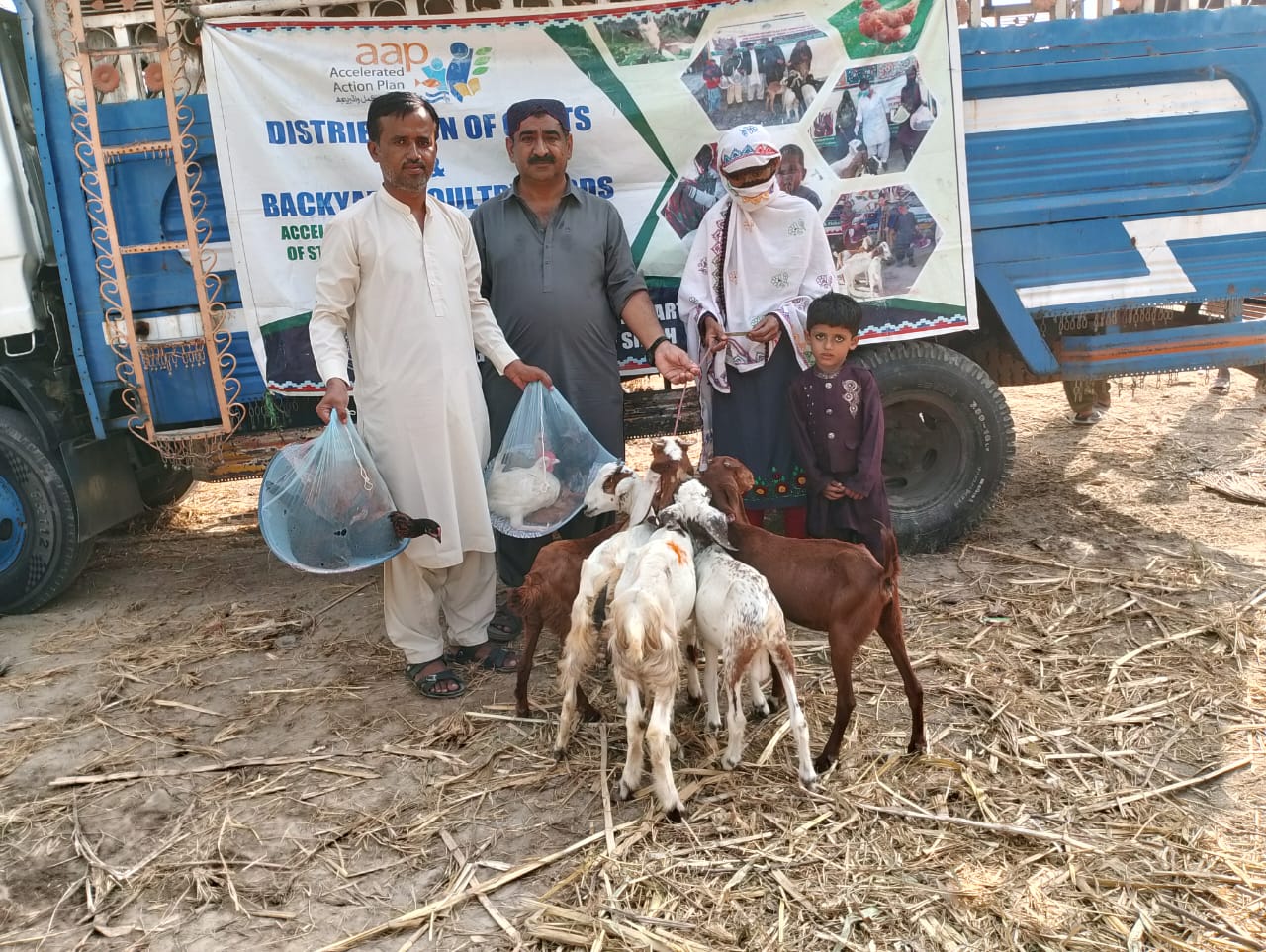
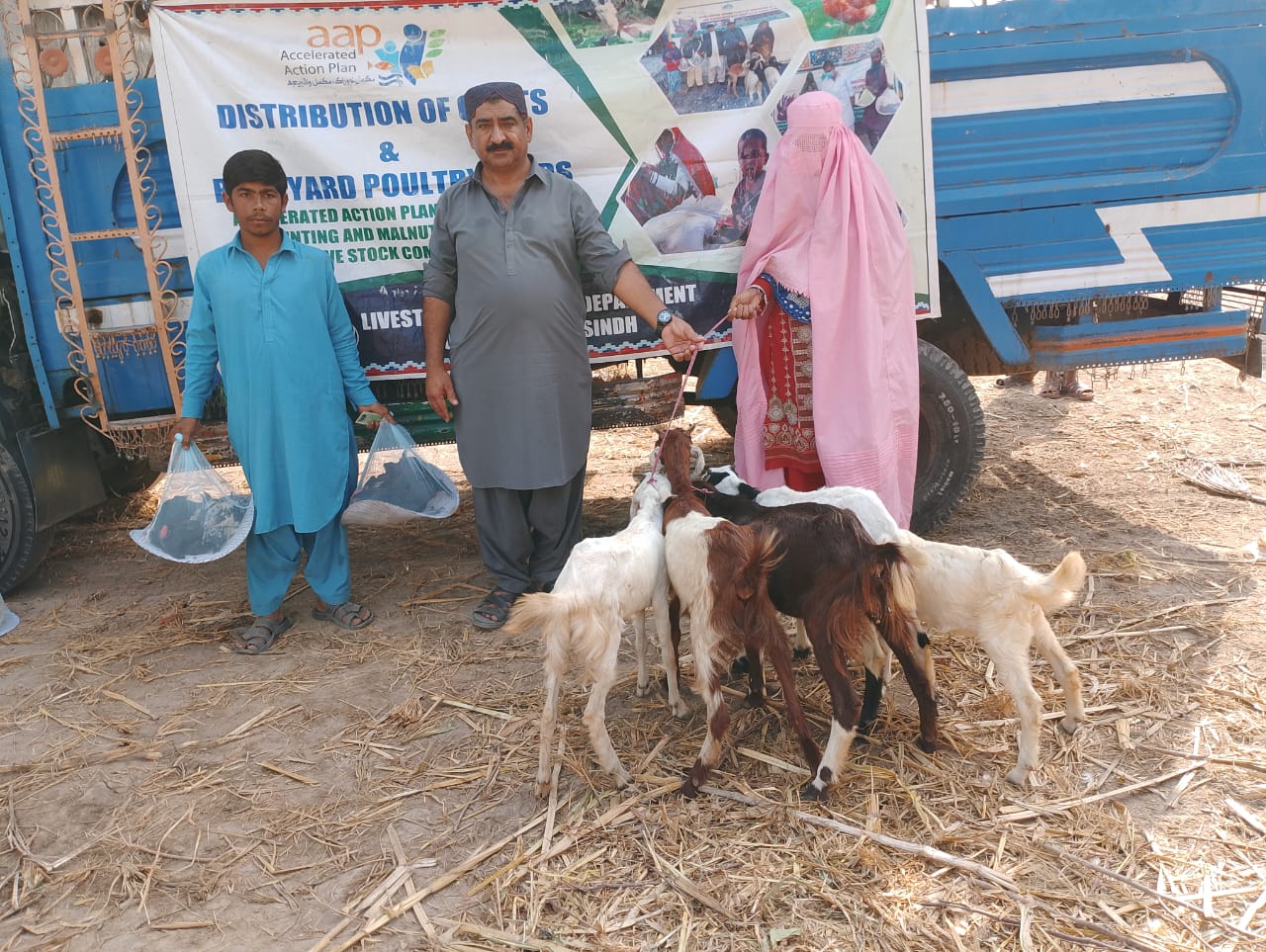
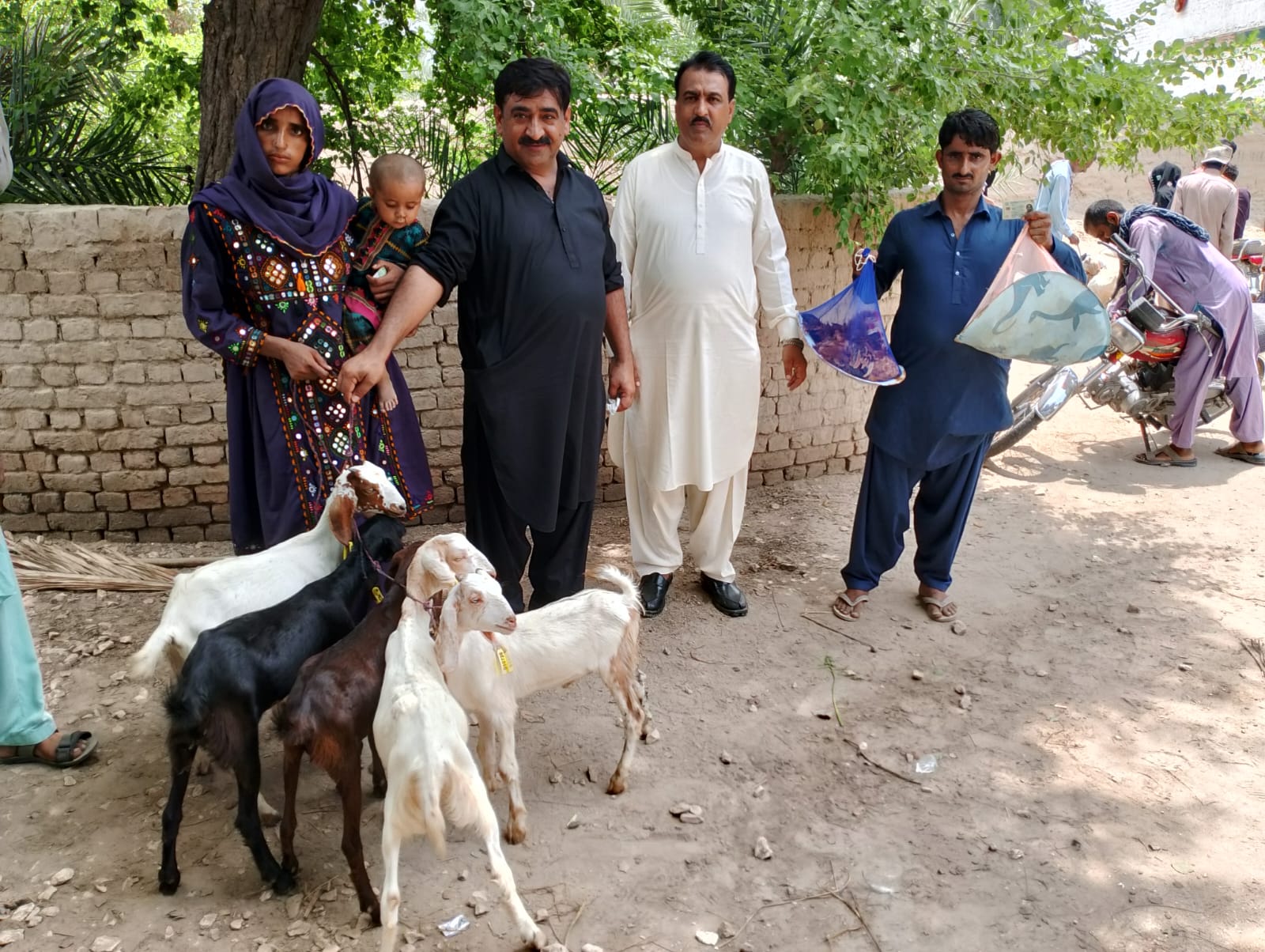
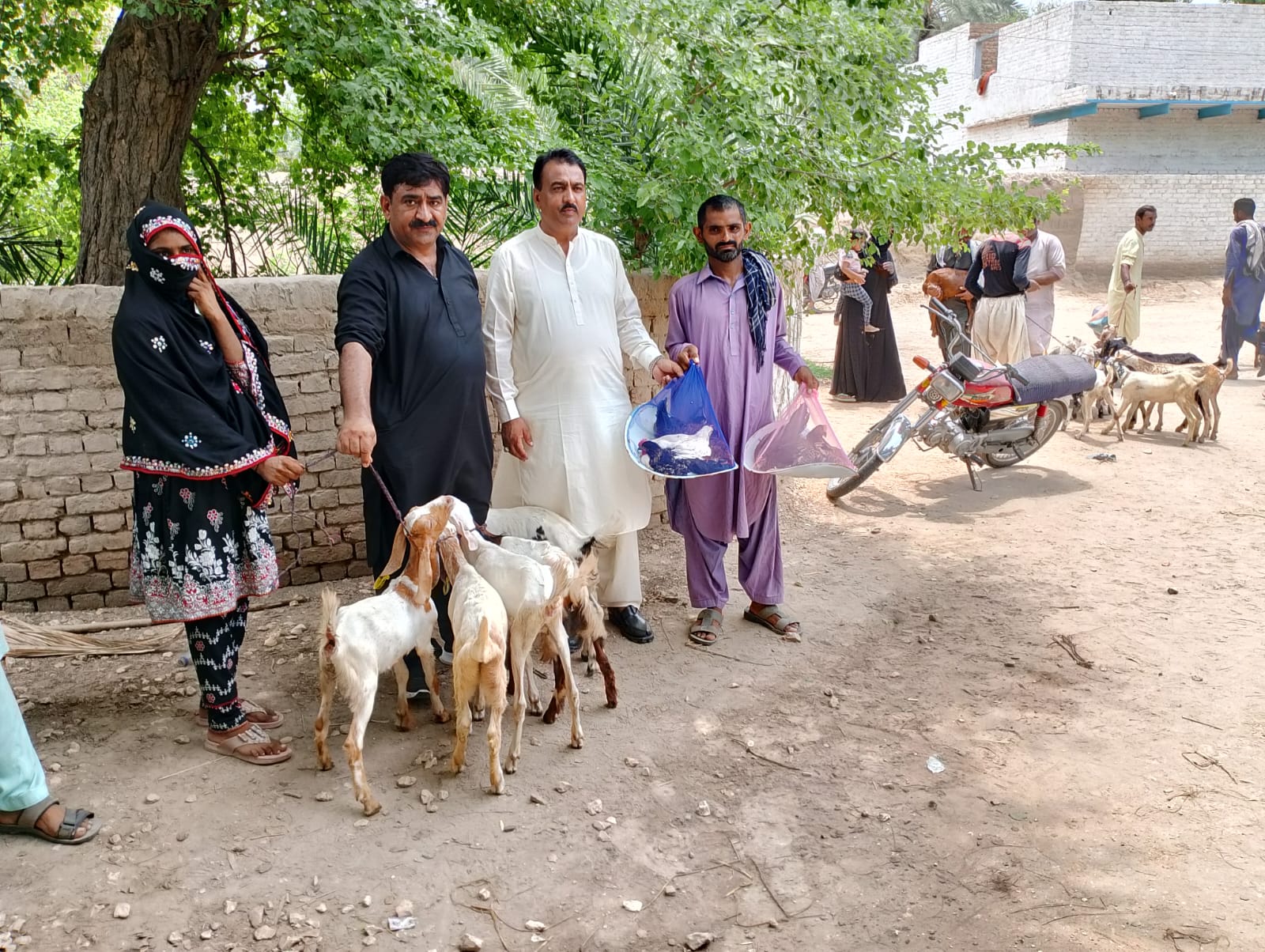
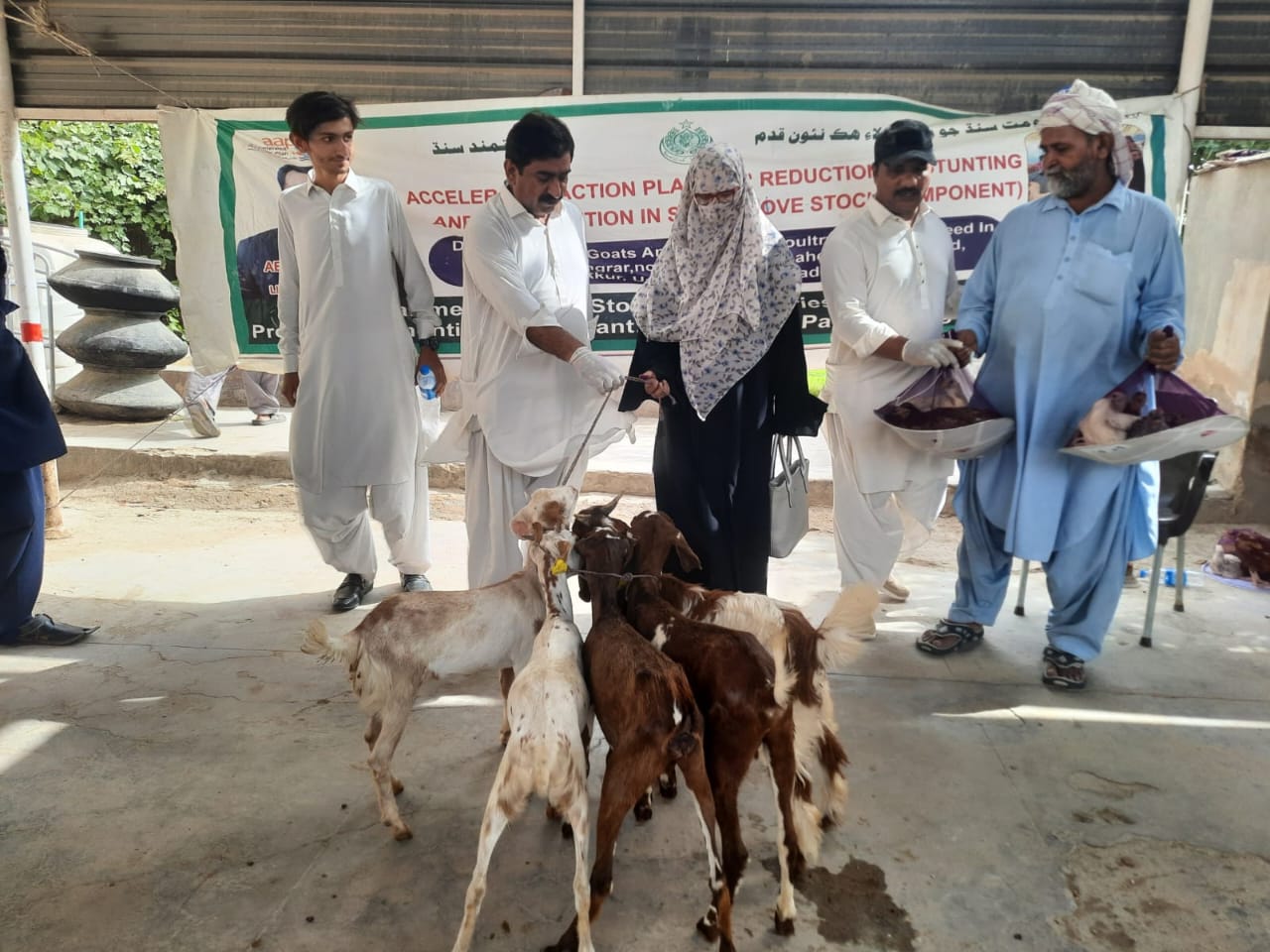
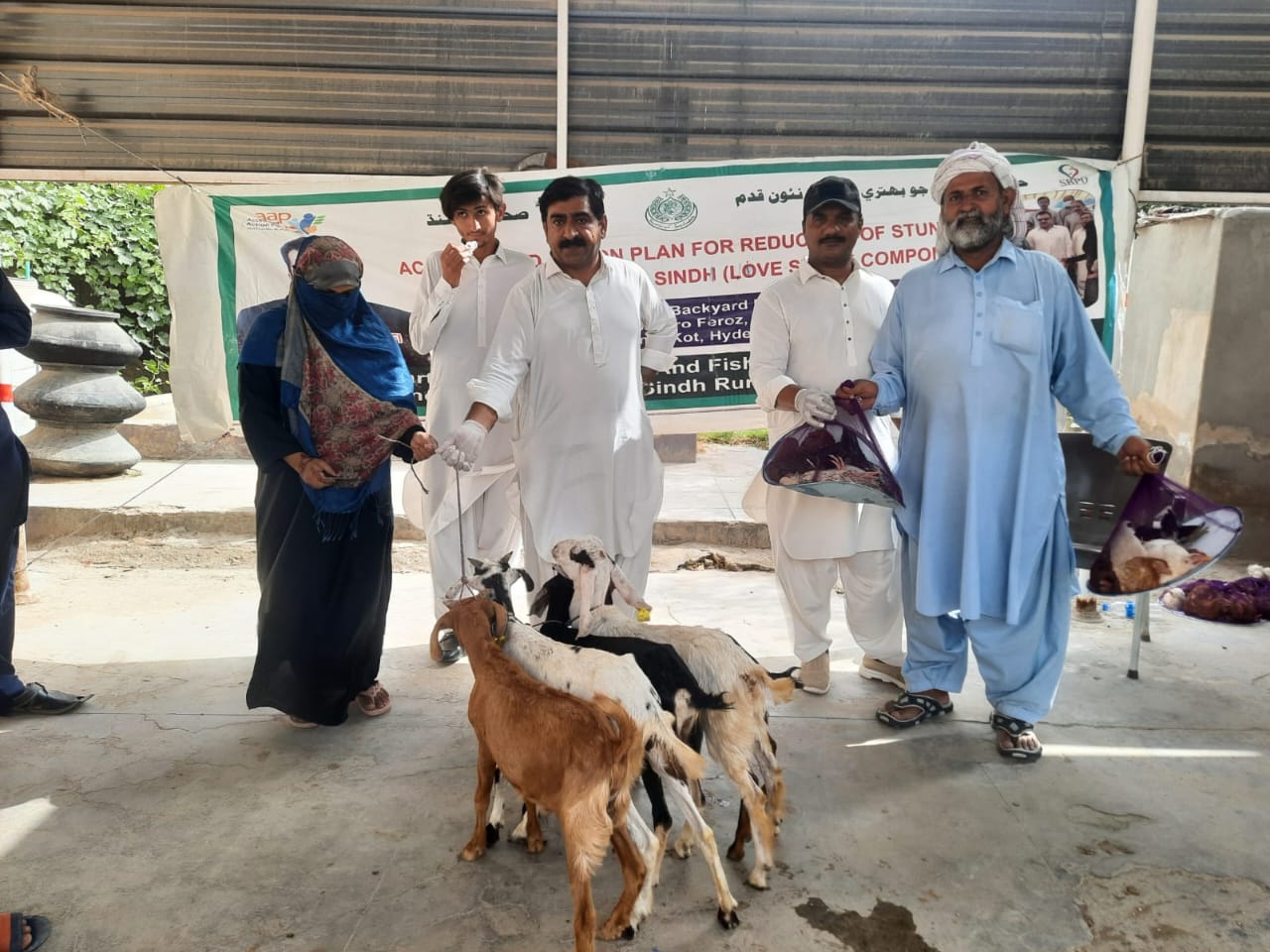
- Building livestock assets (goats and backyard poultry) of poorest/ malnourished households without having livestock, pregnant lactating women with children, and nutrition deprived communities. Provision of a package of 05 goats, 10 poultry birds and one feed to each of beneficiaries in severely Malnutrition (SAM/MAM) cases reported districts identified and finalized by AAP secretariat P&D Department.
- Establishing cold chain for vaccine/ medicine supply and storage to reach target communities and maintenance at district level.
PROGRAM INDICATORS:
- Providing awareness regarding nutrition and livestock improved management practices to at least 265,660 persons, each representing HH within 24 districts of Sindh province.
- Provision of Veterinary services in terms of vaccination and drenching twice in a year to animals or birds of 120,000 HH in 24 districts for prevention of disease and deaths and enhanced productivity in targeted districts gradually.
- Provision of 5 goats and 10 poultry birds to total of 26,566 HH in 24-targeted districts.
- Establishment of cold chain system for supply and storage of vaccines and medicine in targeted districts.
DETAILS OF PROGRAM IMPLEMENTATION DISTRICTS:
Year 2017-18 | Year 2018-19 | Year 2019-20 | Year 2020-21 | Year 2021-22 | Year 2022-23 | Year 2023-24 | Year 2024-25 | Year 2025-26 |
Badin | Shikarpur | Sanghar | Ghotki | S.B.abad | Shikarpur | Tharparkar | Tharparkar | Tharparkar |
Mirpurkhas | Larkana | Kandhkot-Kashmore | N. Feroze | Umerkot | Larkana | Mirpur Khas | Mirpurkhas | T. M. Khan |
Tharparkar | Q-Shahdadkot | Khairpur Mir’s | Tharpakrar | Hyderabad | Q-Shahdadkot | Sanghar | Sukkur | N. Feroze |
Dadu | Jacobabad | Badin | Sukkur | Thatta | Badin | Dadu | Larkana | |
Jamshoro | Mirpurkhas | Karachi | Sujjawal | Sukkur | Q-Shahdadkot | |||
Thatta | T. M. Khan | Khairpur Mir’s | Sujjawal | |||||
Sujjawal | Tando Allahyar | |||||||
T. M. Khan | Matiari | |||||||
T. Allahyar | ||||||||
Matiari |
Activities and operations of AAP Livestock during the FY 2026-27:
The proposed activities for the year 2026-27 are as under;
Package-A: Provision of awareness to farmers and malnourished households: About 6,000 Livestock farmers in targeted 04-districts of Sindh or wherever need be; would be targeted for nutrition and diversified food access related awareness and advisory services for better practices for improving their productivity. This would be achieved already established veterinary hubs established under AAP Livestock in public sector institutes and universities in collaboration with the Livestock and Fisheries Department, Government of Sindh and Project Staff.
Package-B: Provision of Veterinary Services: Veterinary services in terms of vaccination and drenching twice in a year will be provided through Directorate of Animal Husbandry of the Department. About 120,000 livestock owners representing HH with 600,000 Large animals, 1,000,000 small animals or 1,200,000 birds will be provided vaccination of FMD, HS, Mastitis and deworming injections, Vaccination of CPP, PPR & ET, and Vaccination of ND, Fowl Pox and avian influenza, respectively per annum to all of 24 districts. Each (2 doses each of FMD, HS, Mastitis for Large Animals (LA), ET, PPR, CCP for Small Animals (SA) along with anti-parasitic injections, ND, Fowl Pox and avian influenza vaccines for birds (B) /annum in priority districts as per schedule with beneficiaries of 120,000 persons/ farmers in 24 districts for prevention of disease and deaths and enhanced productivity. This would improve the productivity of the animals and prevention from disease and deaths, and ensure HH food security and public health. The coverage area can be increased to peripheral areas keeping in view the local field conditions, outbreaks of disease and animal movement to prevent the livestock from disease and deaths in targets.
Provision of Zoonotic services:
It is reported that 60% of infections which are circulating in human populations are transmitted from animals and 80% of emerging infectious diseases in humans reported today are coming from animal sources. The World is working on “One Health concept” which means healthy animals ensure the health of humans. The list of zoonotic diseases is long and includes SARS-Corona virus, Middle east Respiratory Syndrome, anthrax, bird flu, bovine tuberculosis, brucellosis, Campylobacter infection, Cremian-Congo Haemorhagic Fever, cat scratch fever, cryptosporidiosis, cysticercosis, dengue fever, Ebola, encephalitis from ticks, enzootic abortion, erysipeloid, fish tank granuloma, giardiasis, glanders, hemorrhagic colitis, hepatitis E, hydatid disease, Leptospirosis, listeria infection, louping ill, Lyme disease, lymphocytic choriomeningitis, malaria, orf infection, parrot fever, pasteurellosis, plague, Q fever, rabies, rat-bite fever, ringworm, Rocky Mountain spotted fever, Salmonella and E. coli infections, streptococcal sepsis, swine flu, toxocariasis, toxoplasmosis, trichinellosis, tularemia, West Nile virus, zoonotic diphtheria, so on so forth. Therefore, the first line of defense from zoonotic diseases would be screening of animals from zoonotic diseases in timely manner and controlling the infection at that level before it is transmitted to humans and create public health hazard. Under the current program most prevailing zoonotic disease specially tuberculosis, Samonella, E.coli, Brucellosis and avian influenza will be monitored regularly specially in the livestock of beneficiaries or distributed livestock, to ensure the public health and prevent their transmission through meat, milk, eggs and other dairy products. The activity would be conducted by only authorized facility i.e., Sindh Institute of animal Health Karachi and its sub-centres at various places in Sindh province as a pilot.
Provision of Livestock assets for balance diet and maintenance of health:
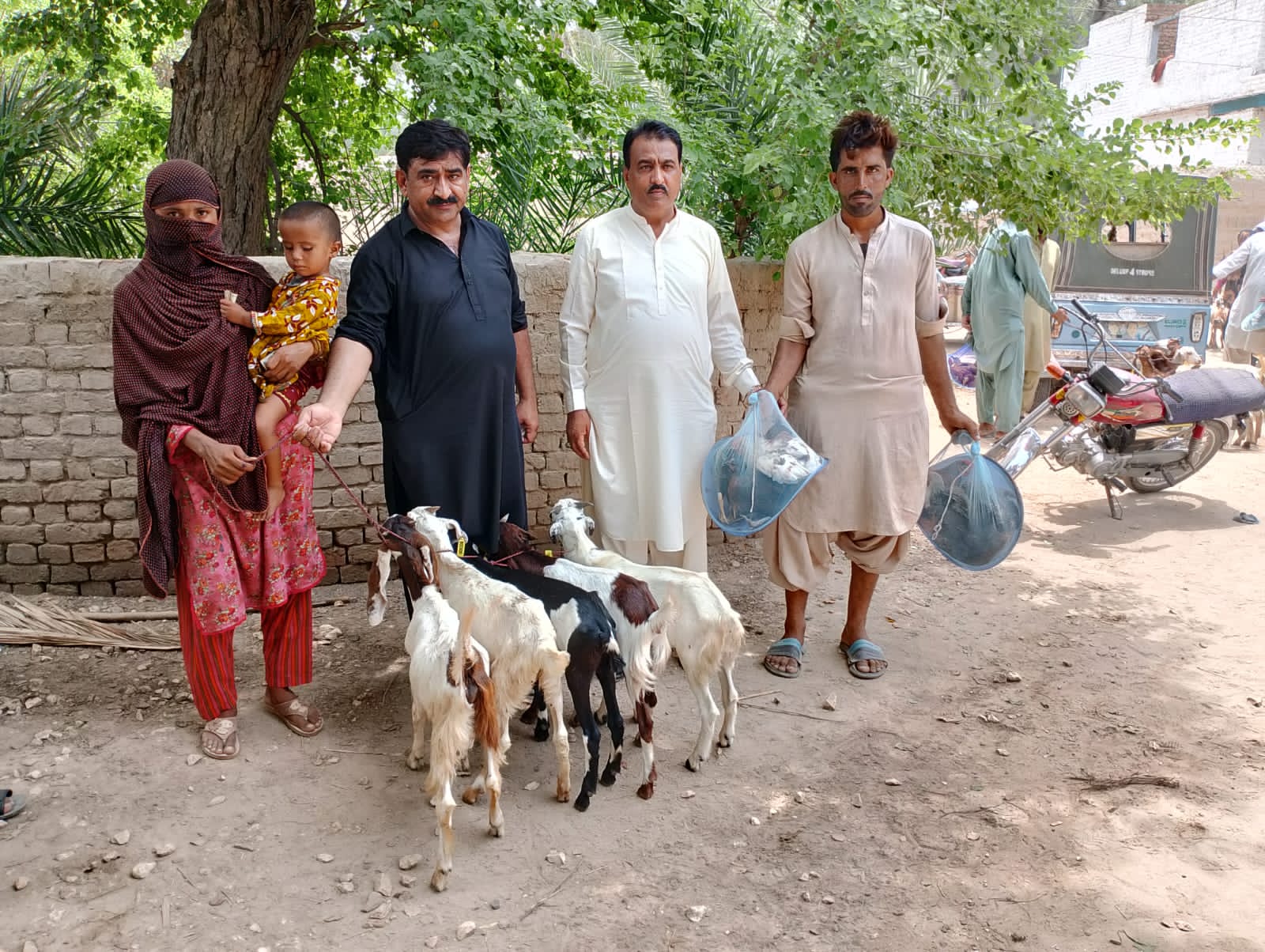
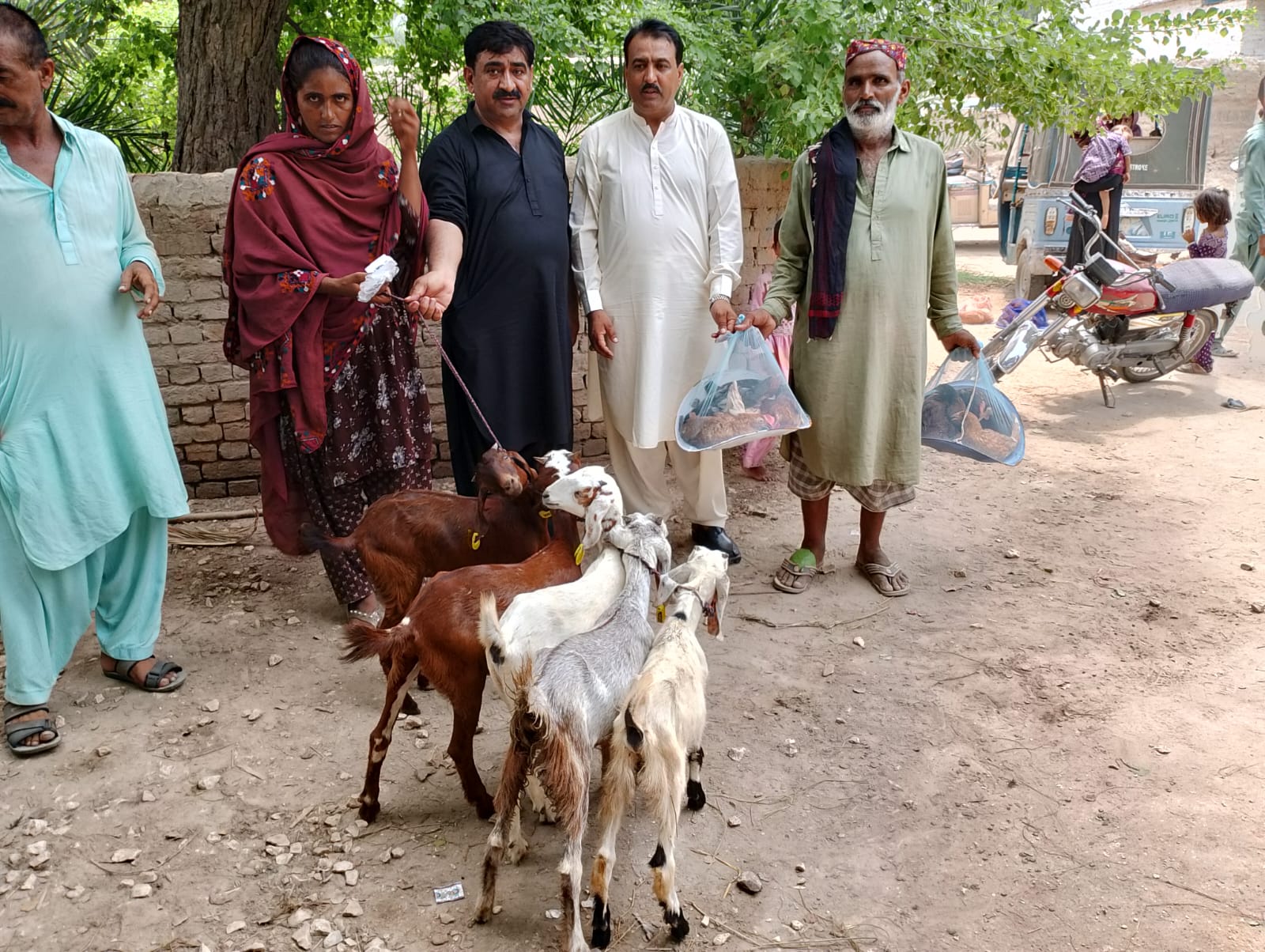
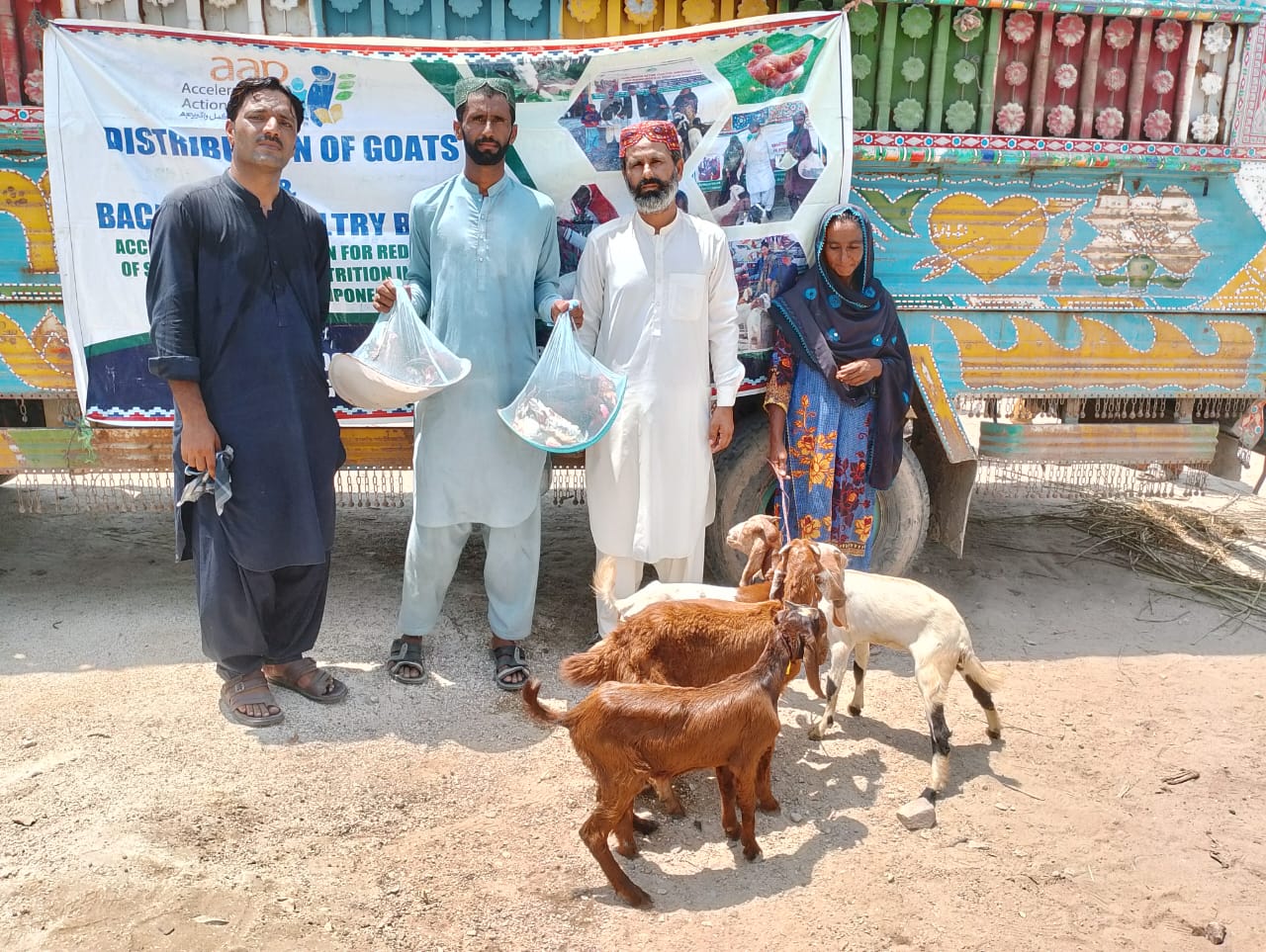
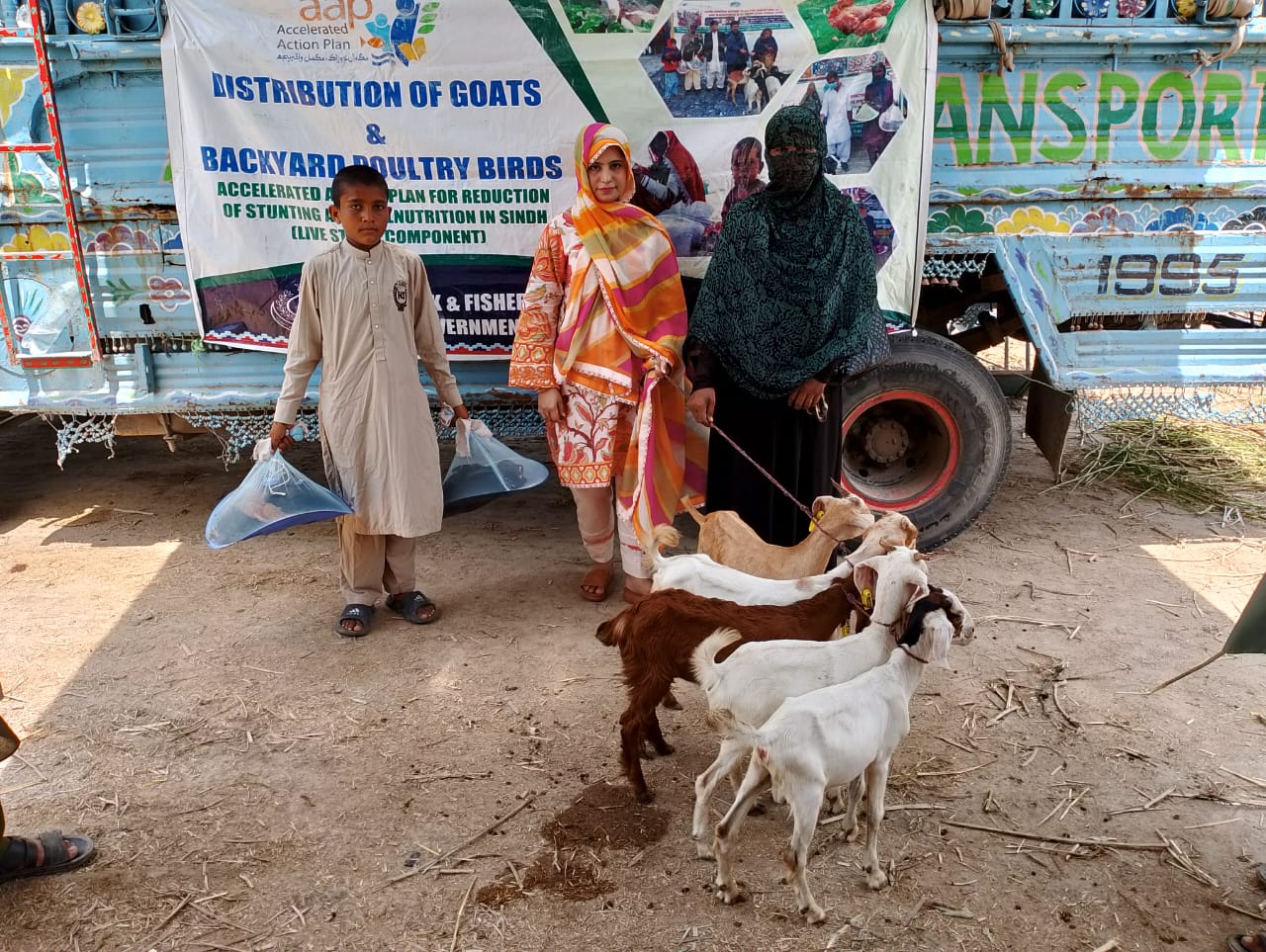
Provision of 05 goats and 10 poultry birds along with feed bag to malnourished family with poor health to the tune of 400 to 500 per district and a total of atleast 1,800 to 2,500 beneficiaries in 04 districts of severely malnourished districts as per availability of the budget. These include 02 districts from Lower Sindh i.e., Tharparkar, TandoAllahyar, and Two districts from Upper Sindh i.e., Sukkur and Shikarpur. Some of these districts are the same as already identified being implemented by the Health sector to synchronize the efforts to reduce stunting and malnutrition. The beneficiaries will be identified on the basis of SAM and MAM cases recorded and reported by the PPHI. Based on SAM and MAM identified household suffering from malnutrition/ stunting collected by the PPHI/ Health Department and physical assessment and evaluation made by Project Implementation partner (NGO) or the Departmental/ Project staff.
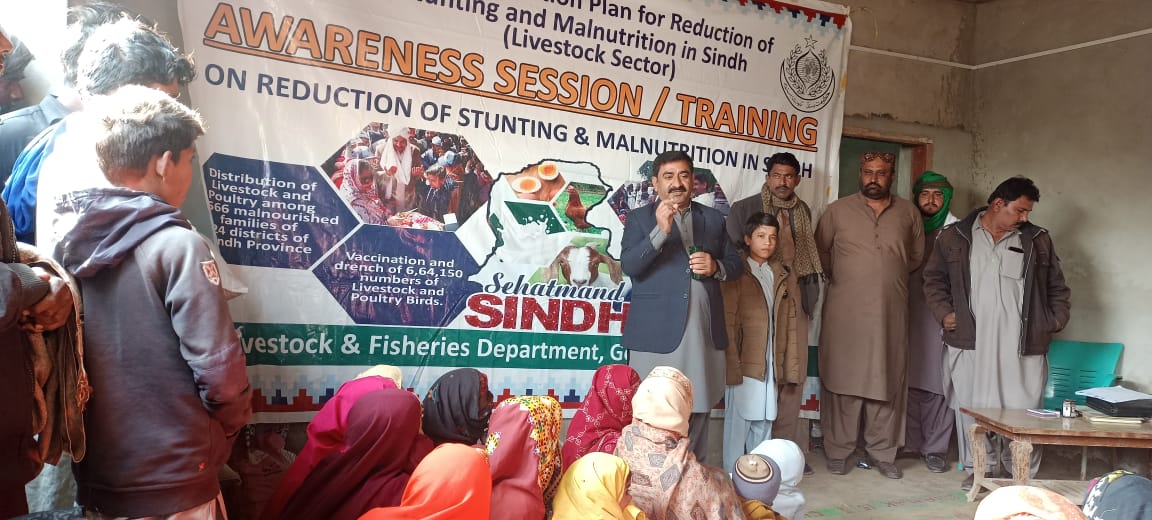
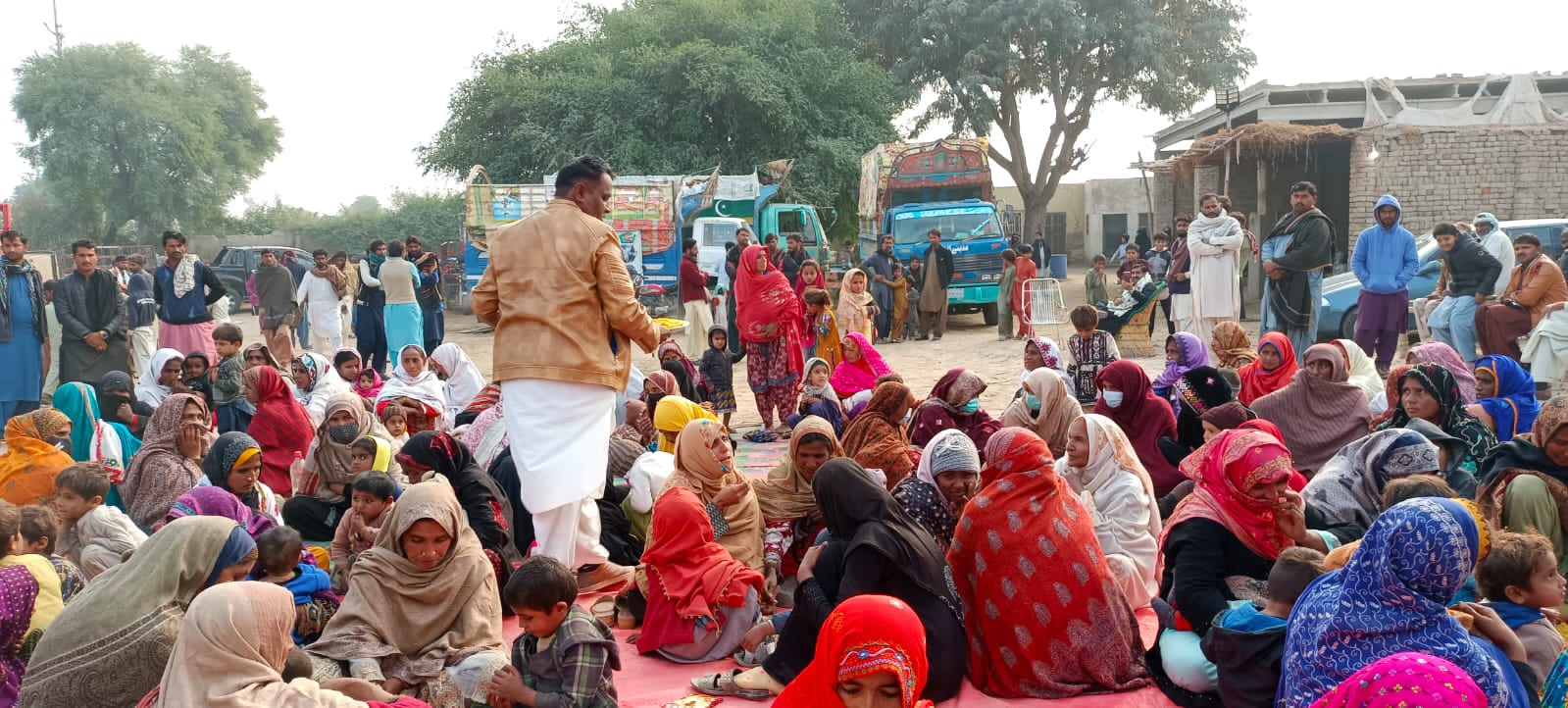
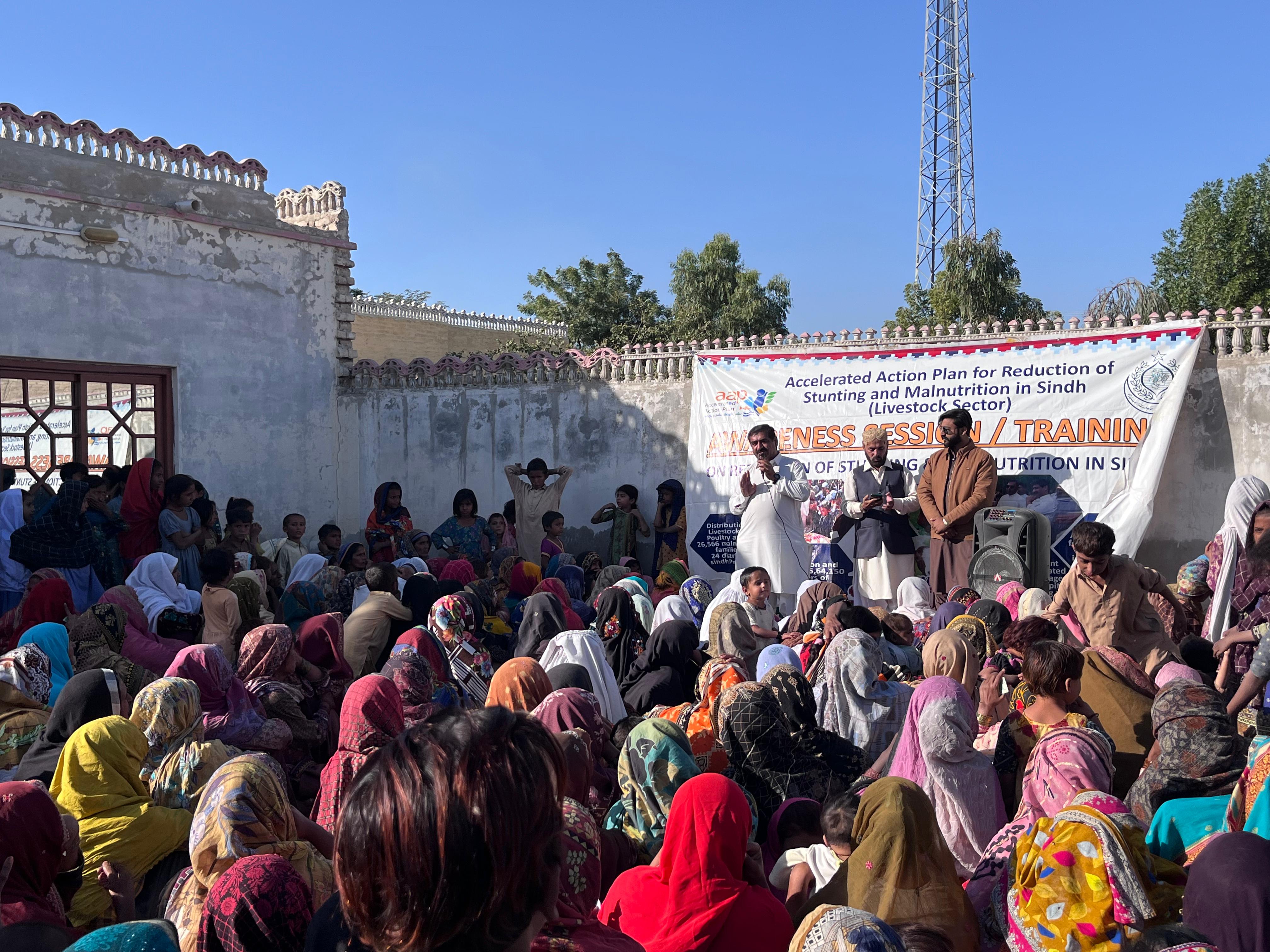
Awareness Sessions
.jpeg)
.jpeg)
.jpeg)
.jpeg)
.jpeg)
.jpeg)
.jpeg)
Vaccination
.jpg)
.jpg)
.jpg)
.jpg)
.jpg)
.jpg)
.jpg)
.jpg)
Livestock distribution
Success Stories


 Livestock & Fisheries Department, Government of Sindh, Barrack no # 90 Opposite Sindh Assembly Building, Shahrah e Kamal Atta Turk, Karachi

 02199203291
 09:00 A.M to 05:00 P.M
2026 © Livestock & Fisheries Department